Scott has spent his life observing and documenting wild animals in their natural habitats. He is an active wildlife guide and consultant for individuals, groups, nature shows and wildlife films, always sharing his expertise with the hope that it will ultimately benefit the natural world in which we live.

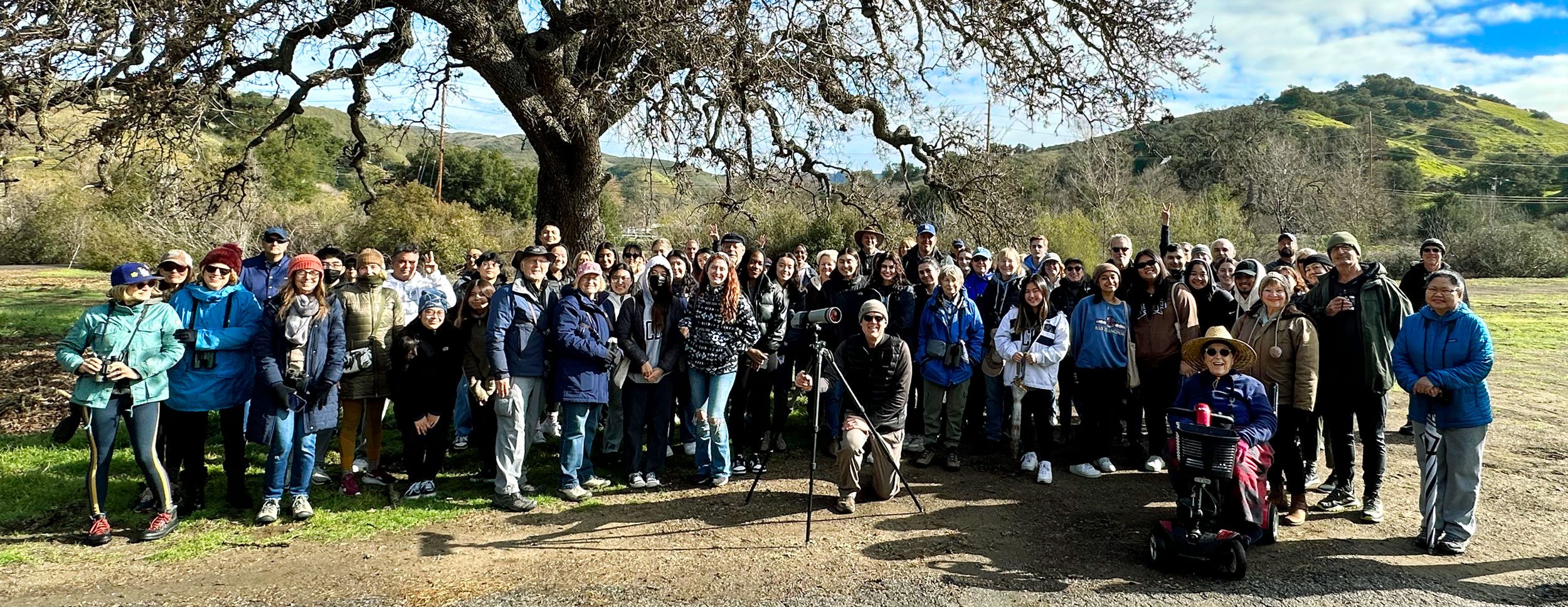
In 2009 Scott and his partner Bonnie launched Wild Wings Ecology, a brick-and-mortar store and urban wildlife consulting business who’s focus was to connect humans with their wild neighbors. Wild Wings quickly developed into a community hub for birders, wildlife enthusiasts and those looking to learn about the nature around them. The store carried a surplus of items, including books, optics and feeders, all intended to help individuals connect with nature. Along with these tools, they offered personalized guided nature walks and workshops for individuals, organized groups and schools. Every month they hosted a free community bird walk that attracted up to 70 people at a time, including dozens of repeat participants of all ages and lifestyles. The brick-and-mortar store closed during COVID, but their consulting business continues to this day.
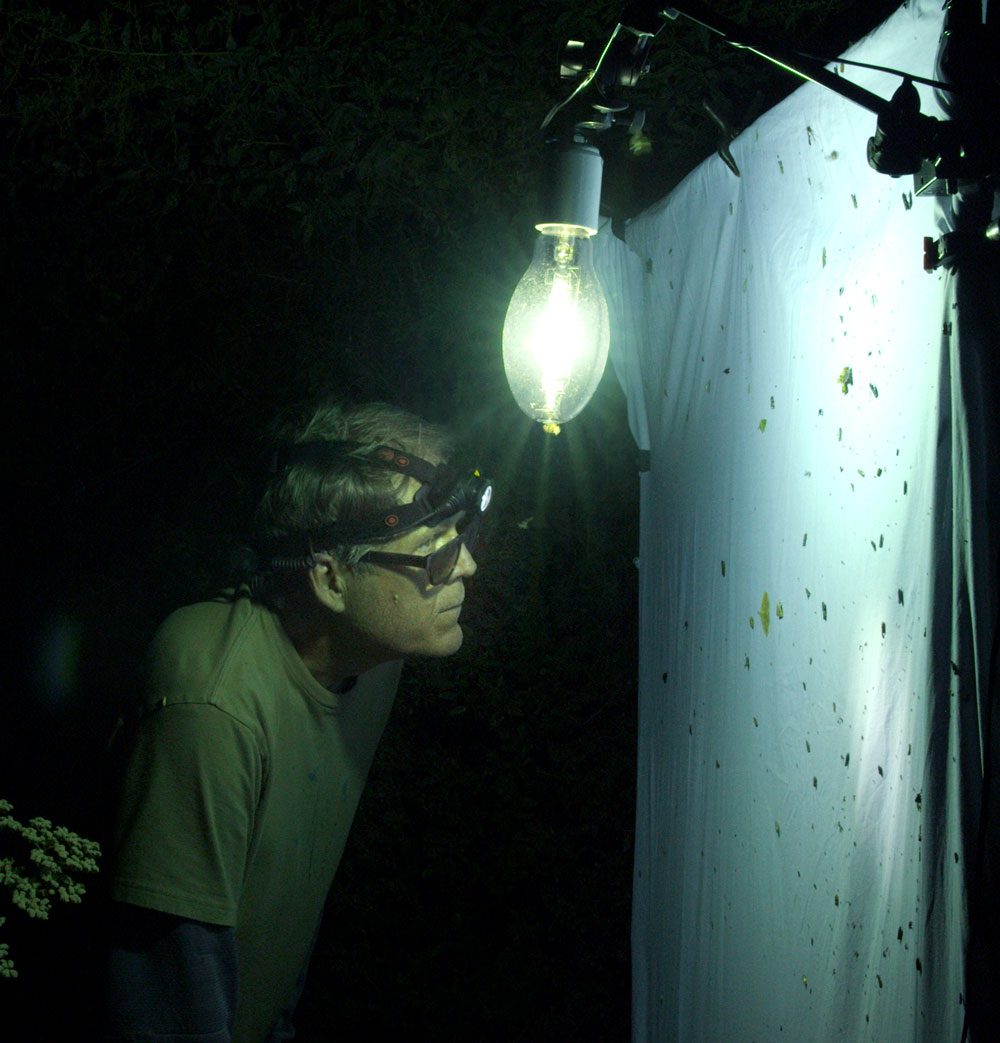
Scott’s work in the Gottlieb Native Garden continues to prove that planting native gardens can reestablish ecosystem function, foster biodiversity, and allow nature to reclaim its place in even the most degraded environments. As the garden’s Naturalist, Scott has identified over 2000 species of animals on the site, including at least four new species of insects (waiting to be described), a wasp genus never recorded in North America and numerous insects that have rarely been recorded in Los Angeles. Along with monitoring the overall health of the Garden, he is also in charge of coordinating the Garden’s many University research projects and has been collaborating with Dr. Lisa Tell for over 10 years on her UC Davis Hummingbird Health Conservation Program.
Wild Wings Ecology’s Barn Owl nesting box project was born out of the need to educate Los Angeles residents about the plight of these once abundant apex predators. Along with decades of rodenticide use and the removal of nesting and roosting locations, Barn Owl populations in Los Angeles have fallen precipitously. In 2014 Bonnie gave an impassioned plea to the L.A. City Council to eliminate the use of rodenticide in parks and public spaces and make the use of rodenticide in all its forms illegal in Los Angeles. Thankfully Barn Owls, and other wildlife will be more protected from the deadly effects of 1st and 2nd generation rodenticide with the passage of The California Poison-Free Wildlife Act (AB 2552) that went into effect as of January 1, 2025. Wild Wing Ecology's project was expanded to help smaller cavity nesting owls, and to date Scott has installed hundreds of boxes all over Los Angeles. The installation of these boxes has not only aided in increasing the population of these struggling raptors, but has helped control rodent populations and offered a sustainable and environmentally friendly alternative to the use of rodenticides.
Years of intensively monitoring Wild Wings boxes and time spent with nest box authority Steve Simmons has enabled Scott to become an expert in understanding successful placement strategies for secondary cavity nesting birds. And by collaborating with conservation organizations, communities, and landowners, Wild Wings Ecology is directly responsible for helping to increase the population of owls back into the environment by giving them appropriate and safe breeding habitat.
